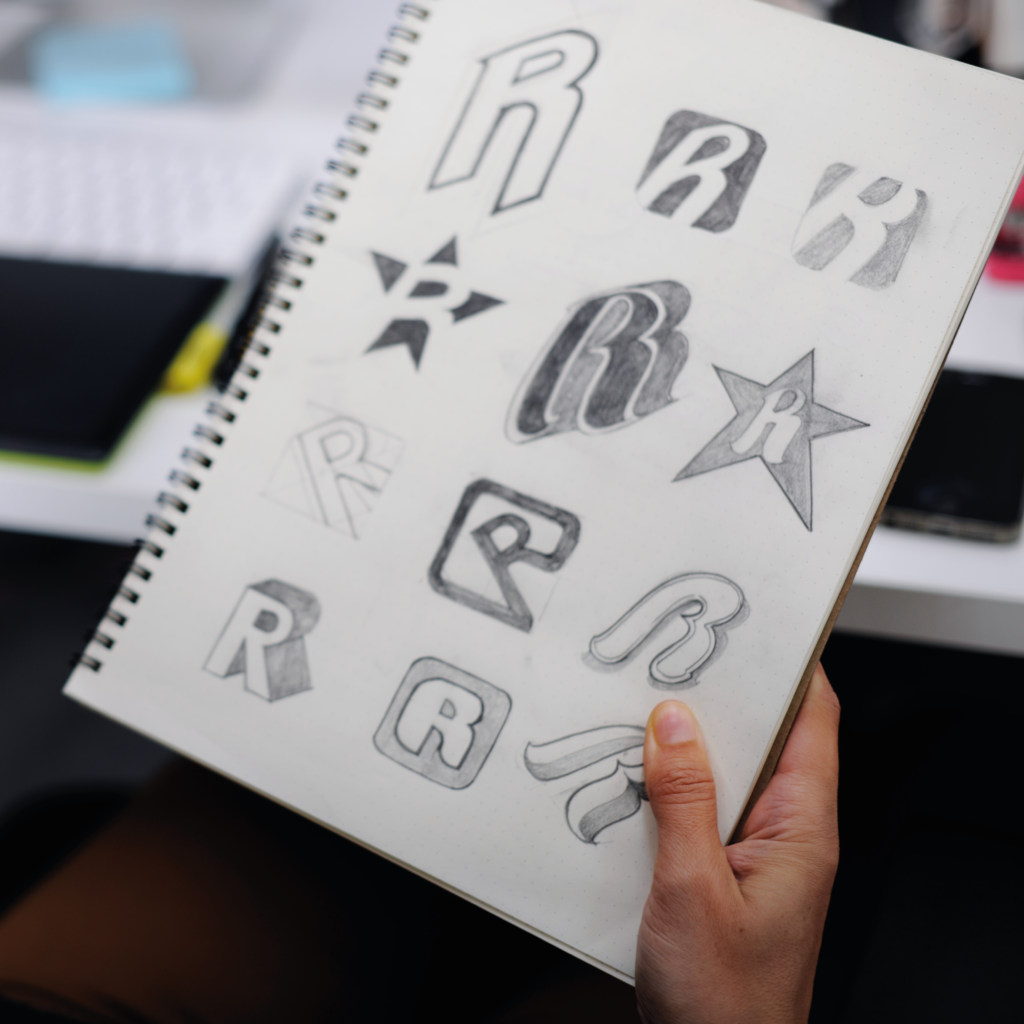
Brand design has undergone a significant transformation over the years, evolving from simple logos and business cards to complex digital identities that engage audiences across multiple platforms. This article explores the journey of brand design, highlighting the shift from traditional methods to digital innovations.
Traditional Branding
In the early days of branding, the focus was on tangible elements such as logos, business cards, and print advertisements. A logo served as the visual cornerstone of a brand’s identity, meticulously crafted to convey the company’s values and mission at a glance. Business cards were essential networking tools, providing a physical reminder of a brand’s presence and professionalism. Print ads in newspapers and magazines were the primary medium for reaching a wide audience, relying on striking visuals and compelling copy to capture attention.
These elements were consistent and static, reflecting a brand’s identity through colors, typography, and imagery. Traditional branding required meticulous attention to detail to ensure every piece of collateral accurately represented the brand.
Digital Transformation
The advent of the internet and digital technologies revolutionized brand design. The rise of social media platforms, websites, and digital marketing channels introduced dynamic and interactive elements to branding. Brands now needed to create versatile digital identities that could adapt to various formats and screen sizes.
Social media profiles became essential for engaging with audiences in real-time, allowing brands to build communities and foster direct relationships with consumers. Websites evolved from simple informational pages to interactive experiences, featuring animations, videos, and e-commerce functionalities. Digital marketing, including email campaigns, online ads, and content marketing, provided new avenues for reaching and influencing target audiences.
Key Differences
The shift from traditional to digital branding introduced several key differences. Traditional branding was primarily static and unidirectional, whereas digital branding is dynamic and interactive. Traditional methods relied on physical materials and in-person interactions, while digital branding leverages virtual platforms and online engagement.
In traditional branding, consistency was maintained through printed guidelines and strict adherence to design standards. In contrast, digital branding requires adaptability to different devices, screen sizes, and user interactions, necessitating flexible design systems.
Another significant difference is the speed of feedback and iteration. Traditional branding campaigns could take months to develop and deploy, with limited opportunities for real-time feedback. Digital branding allows for immediate feedback through analytics and social media interactions, enabling brands to quickly adjust their strategies and designs.